Request the Recording.
7 Ways to Make Your Software Testing More Efficient with AI
Seven concrete ways AI already changes day-to-day testing work, demonstrated live.
A few details, then we send you the link.
Tell us where to reach you and we will send the recording of this webinar to your inbox.
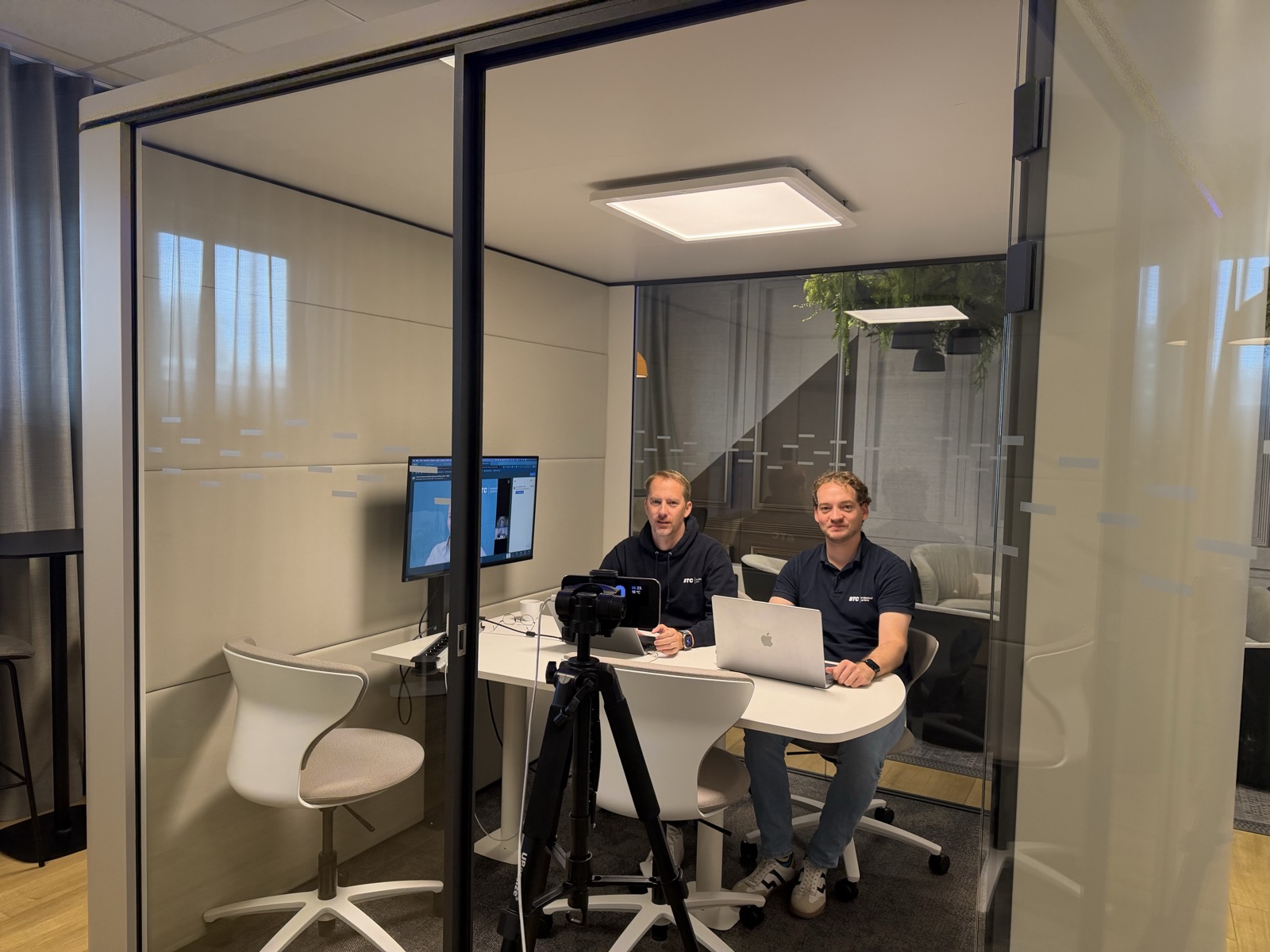
Leif Driebold
Strategic Product Manager AI & Cloud, BTC Embedded Systems
Markus Gros
Senior Vice President Marketing & Sales, BTC Embedded Systems
Seven Ways AI Changes Testing.
AI as the Tool's Teacher
AI can answer "how do I" questions about the tool you're using, in the context of what you're doing right now, instead of you digging through documentation mid-task.
AI as Artifact Generator
Given a requirement and the right project context, AI can generate an executable test case with real signal names and valid ranges, not just a description you translate by hand. Generated tests stay drafts until an engineer promotes them.
AI as Result Interpreter
AI can read a failed test, a coverage gap or a cryptic warning and explain what happened and what to do next, grounded in the actual result instead of a generic summary.
AI as Clarifier
When a requirement is ambiguous, AI can ask instead of guessing, and retain the answer for later. That's what turns a vague requirement into something code generation and automated verification can build on.
AI Extended with Skills
Beyond what ships built in, AI can be extended with custom skills for the workflows a team actually uses, so it can be pointed at a specific task instead of relying on one open-ended prompt.
AI as Memory
AI can retain feedback from past tasks and apply those lessons to similar work later, so results keep converging on what a team actually wants instead of starting from zero every time.
AI as Process Driver
AI can drive a full multi-step workflow itself, like requirements-based testing or a background proof job, staying visible and interruptible while the rest of the work continues.
Choose the Next Step on Your Own Terms.
Run BTC TestStack on your own project with an evaluation license, or book a demo with one of our engineers.